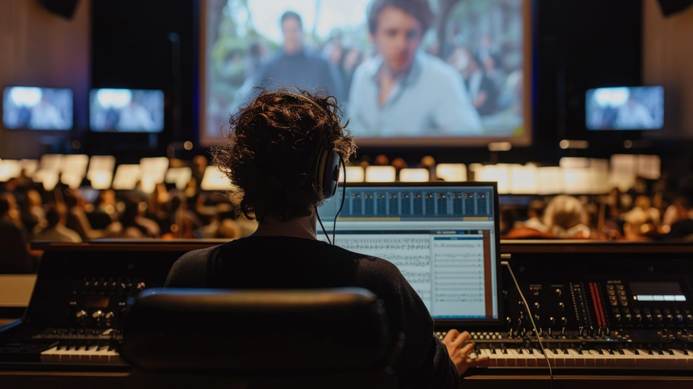
Music has been an essential part of filmmaking since the earliest days of cinema. Even before movies featured synchronized dialogue, musical accompaniment helped audiences understand the emotions, atmosphere, and dramatic developments unfolding on screen. Today, movie soundtracks remain one of the most influential elements of the cinematic experience, shaping how viewers interpret scenes and connect with characters. Alexander Hilary Kurtzman shares that whether it is a sweeping orchestral composition, a familiar popular song, or a subtle instrumental melody, music can transform the way a story is experienced.
Although audiences often remember a movie for its performances, dialogue, or visual effects, the soundtrack can be just as important to its lasting impact. Music helps establish expectations, reinforces important themes, and guides emotional responses throughout a film. It can make an ordinary moment feel extraordinary, turn a quiet scene into something unsettling, or create a sense of excitement before anything significant happens. Understanding how movie soundtracks work reveals why music is much more than background entertainment. It is a powerful storytelling tool that contributes to nearly every aspect of the viewing experience.
How Music Establishes a Movie’s Atmosphere
One of the primary functions of a movie soundtrack is establishing the atmosphere of a scene. Music communicates information about the emotional environment before characters speak or events unfold. A gentle piano melody might suggest warmth, nostalgia, or sadness, while deep percussion and dissonant strings can create an immediate sense of danger. These musical choices help audiences understand the tone of a scene and prepare them for what may happen next. Even when viewers are not consciously paying attention to the soundtrack, they are often responding to the atmosphere it creates.
Different film genres frequently rely on recognizable musical techniques to establish their identities. Horror movies may use unsettling tones, unexpected sounds, and moments of silence to create discomfort. Romantic dramas often incorporate expressive melodies that emphasize intimacy and emotional vulnerability. Adventure films may feature energetic orchestral arrangements that communicate excitement and discovery. However, filmmakers can also challenge these expectations by pairing scenes with unexpected musical selections. A cheerful song accompanying a disturbing moment, for example, can create an unsettling contrast that makes the scene more memorable.
The Emotional Connection Between Music and Storytelling
Music has a remarkable ability to influence emotional responses, making it especially valuable in cinematic storytelling. A scene that appears relatively straightforward without music can take on an entirely different meaning when accompanied by a carefully selected composition. A slow, delicate melody might encourage viewers to interpret a character’s expression as sorrowful, while an uplifting arrangement could suggest hope or relief. Through these associations, soundtracks help communicate emotions that may be difficult to express through dialogue alone.
Music can also strengthen the emotional connection between audiences and fictional characters. When a particular melody accompanies a character during meaningful moments, viewers may begin to associate that music with the character’s experiences, relationships, or personal struggles. As the story progresses, hearing the melody again can remind audiences of earlier events and reinforce the character’s development. This technique allows filmmakers to establish emotional continuity throughout a movie, making important moments feel connected even when they occur at different points in the narrative.
How Soundtracks Build Suspense and Anticipation
Suspense often depends on what audiences expect to happen rather than what is immediately visible on screen. Movie soundtracks play a major role in creating this anticipation by using rhythm, volume, tempo, and musical tension. A low, repetitive sound might gradually increase in intensity as a character approaches an unfamiliar location. Rising musical notes can suggest that something important is about to happen, while sudden changes in volume may emphasize unexpected developments. These techniques encourage viewers to remain alert and emotionally invested in the unfolding scene.
One of the most effective examples of suspenseful film music can be found in Jaws, which features John Williams’ famous two-note shark theme. The simple musical pattern became closely associated with the presence of danger, allowing audiences to anticipate a threat even before the shark appeared on screen. This demonstrates how a soundtrack can communicate information that is not immediately visible. Silence can be equally effective in building suspense. When music suddenly disappears, viewers may become more aware of subtle environmental sounds, creating uncertainty about what will happen next.
The Importance of Musical Themes and Recurring Melodies
Many memorable movie soundtracks use recurring musical themes to represent characters, relationships, locations, or important ideas. This technique, often referred to as a leitmotif, allows composers to establish recognizable musical connections throughout a film. A particular melody might accompany a heroic character, while another theme represents a threatening force or an important emotional relationship. As these melodies return, audiences begin to recognize their significance and associate them with specific elements of the story.
Recurring themes can also change as the narrative develops. A melody introduced during a joyful moment might return in a slower, more subdued arrangement following a difficult event. Although the underlying musical theme remains recognizable, changes in instrumentation, tempo, or harmony can communicate how circumstances have evolved. The Star Wars films provide well-known examples of recurring musical themes associated with characters and larger narrative ideas. Through repetition and variation, these compositions help connect individual scenes and contribute to the emotional structure of the films.
How Music Influences the Pacing of a Movie
Pacing is an important part of filmmaking, and music can significantly influence how quickly or slowly a scene feels. Fast rhythms and energetic compositions can make action sequences appear more intense, while slower melodies can encourage audiences to focus on dialogue, expressions, and emotional details. Even when the visual editing remains unchanged, the addition of music can alter the perceived speed and energy of a scene. This relationship between sound and movement helps filmmakers establish a consistent rhythm throughout a movie.
Music is particularly influential during montages, which combine a series of shorter scenes to communicate the passage of time or the progression of events. A motivational song might accompany a character’s training sequence, making the individual moments feel connected and purposeful. A reflective instrumental composition could turn a collection of ordinary memories into an emotionally significant sequence. By providing continuity across different images, music allows filmmakers to communicate developments efficiently while maintaining audience engagement.
The Difference Between Original Scores and Popular Music
Movie soundtracks can include original compositions created specifically for a film, existing songs selected to accompany certain scenes, or a combination of both. An original score is generally designed to support the movie’s narrative, emotional themes, and visual style. Composers often work with directors to develop music that complements particular characters, settings, and dramatic developments. Because the compositions are created for the film, they can be tailored to the timing and emotional requirements of individual scenes.
Existing popular songs serve a somewhat different purpose. Familiar music can establish a particular historical period, communicate a character’s personality, or introduce cultural associations that audiences already recognize. For example, a movie set during a specific decade might feature popular songs from that era to strengthen its sense of time and place. Films such as Guardians of the Galaxy demonstrate how carefully selected songs can become an important part of a movie’s identity. In these situations, the soundtrack does more than accompany the story; it helps define the personalities, relationships, and atmosphere that make the film distinctive.
Why Certain Movie Scenes Become Connected to Specific Songs
Some movie scenes become so closely associated with particular songs or compositions that it becomes difficult to imagine them with different music. This connection often develops when the soundtrack complements the emotional significance, visual composition, and timing of a memorable moment. A song may emphasize a dramatic revelation, accompany an important character decision, or provide a sense of resolution at the end of a story. When these elements work together effectively, the music becomes part of how audiences remember the scene.
The relationship between music and visual storytelling can also create new associations with songs that existed long before a movie was released. A familiar recording may take on a different emotional meaning after being featured in a memorable cinematic sequence. Audiences who hear the song later may immediately recall the characters, dialogue, or images connected to it. This demonstrates how movies can influence the cultural meaning of music while also benefiting from the emotions and memories that listeners already associate with particular songs.
How Soundtracks Help Define a Movie’s Identity
Certain soundtracks become almost inseparable from the movies they accompany. Recognizable themes can immediately remind listeners of fictional characters, settings, and stories, even when no visual images are present. The opening music from Jurassic Park, for example, is strongly associated with the film’s sense of wonder and discovery. Similarly, the music of The Lord of the Rings contributes to the distinctive atmosphere of its fantasy world. These compositions help establish a recognizable identity that extends beyond the original viewing experience.
A soundtrack’s influence can continue through concerts, streaming platforms, advertisements, trailers, and popular culture references. Fans may listen to film scores independently, attend performances featuring movie music, or recognize familiar themes when they appear in other entertainment settings. This continued exposure helps preserve the connection between a movie and its soundtrack long after the film’s initial release. In some cases, the music becomes an important part of the movie’s broader cultural legacy, introducing new generations to stories they may not have experienced in theaters.
The Role of Silence in Making Music More Effective
Although music can enhance nearly every aspect of a movie, knowing when not to use it is equally important. Constant musical accompaniment can reduce the impact of important moments by leaving little room for contrast. Silence allows audiences to focus on dialogue, environmental sounds, and subtle character reactions without being guided by a musical composition. In emotionally intense scenes, the absence of music may create a sense of realism or discomfort that would be difficult to achieve with a traditional score.
Filmmakers often use the contrast between music and silence to emphasize dramatic developments. A scene filled with energetic music might suddenly become quiet following an unexpected event, drawing attention to the emotional consequences. Similarly, introducing music after an extended period of silence can make a moment feel especially significant. These decisions demonstrate that effective soundtrack design involves more than selecting appropriate compositions. It requires understanding how music, silence, and other sounds interact to shape the audience’s experience.
How Movie Music Creates Lasting Memories
Music and memory are closely connected, which helps explain why certain movie soundtracks remain recognizable for decades. Hearing a familiar melody can remind someone of a particular scene, the first time they watched a movie, or the emotions they experienced during an important moment. Because music often accompanies significant narrative developments, it can become associated with the memories audiences form while watching a film. These connections may become stronger when viewers revisit the movie or listen to its soundtrack independently.
Soundtracks can also contribute to shared cultural memories. A recognizable movie theme may be familiar even to people who have never watched the entire film. Musical references appear in television programs, online videos, sporting events, and other forms of entertainment, allowing certain compositions to reach audiences far beyond their original context. Over time, these melodies can become cultural symbols associated with adventure, romance, suspense, or heroism. Their continued recognition illustrates how film music can maintain its influence across generations.
Why Music Remains Essential to the Moviegoing Experience
Movie soundtracks contribute to filmmaking in ways that are both immediately noticeable and surprisingly subtle. They establish atmosphere, influence emotional responses, build suspense, and strengthen the connection between different scenes. Music can also communicate information about characters and relationships without requiring additional dialogue or visual explanation. Whether a soundtrack features an elaborate orchestral score or a carefully curated collection of popular songs, its effectiveness depends on how well it supports the story being told.
Ultimately, music helps transform movies from a sequence of moving images into a more immersive emotional experience. The right composition can make a scene more powerful, a character more relatable, or an important moment more memorable. Long after audiences have forgotten individual lines of dialogue or specific visual details, they may still recognize the melodies associated with their favorite films. This lasting connection demonstrates why soundtracks remain one of the most important creative elements of cinema and why music continues to shape the way audiences experience, interpret, and remember movies.