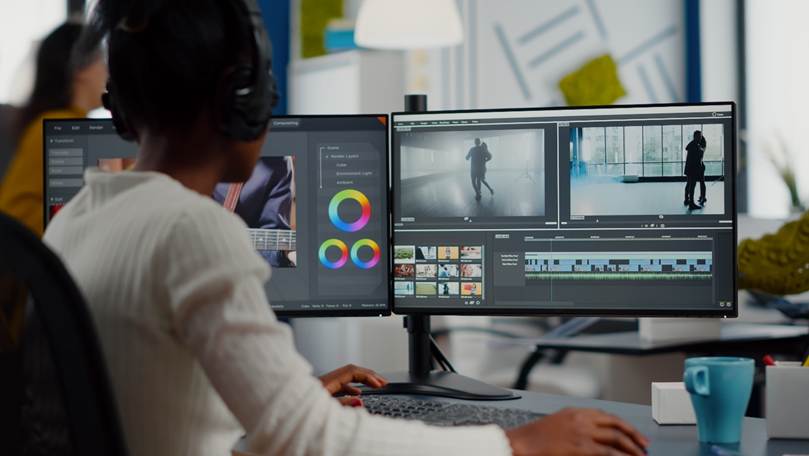
When audiences watch a movie, they often focus on the performances, dialogue, cinematography, and overall story. However, one of the most influential aspects of filmmaking happens after the cameras stop rolling. Movie editing is the process of selecting, arranging, and combining footage to create a cohesive narrative. Alexander Hilary Kurtzman emphasizes that it determines how a story unfolds, how quickly events progress, and how viewers experience the emotions and ideas presented on screen. Although editing may not always be immediately noticeable, its influence can be felt throughout nearly every moment of a film.
A movie can feature an excellent script, talented actors, and impressive visuals, but without thoughtful editing, those elements may struggle to come together effectively. Editors help transform individual shots and scenes into a complete cinematic experience. Their decisions influence everything from the timing of a joke to the intensity of an action sequence. By controlling what audiences see, when they see it, and how long they see it, editing plays an essential role in shaping the way movies are understood and remembered.
How Editing Shapes the Storytelling Process
Filmmaking involves capturing numerous shots, performances, and sequences that must eventually be assembled into a finished story. During production, directors often record multiple takes of the same scene, sometimes experimenting with different camera angles, dialogue deliveries, and character reactions. Editors review this material and determine which moments best support the narrative. Their work involves much more than simply placing scenes in chronological order. They must consider how each shot contributes to the overall story and whether the transitions between moments feel natural and purposeful.
The arrangement of scenes can significantly influence how audiences interpret characters, events, and relationships. For example, showing a character’s reaction before revealing what caused it can create curiosity or suspense. Presenting the same information in reverse order might produce an entirely different emotional response. Editors can also use flashbacks, parallel storylines, and carefully timed revelations to shape the audience’s understanding of events. These techniques demonstrate how storytelling depends not only on what happens in a movie but also on how that information is presented.
The Relationship Between Editing and Movie Pacing
Pacing refers to the speed and rhythm at which a movie develops. Some films move quickly between events, while others allow scenes to unfold gradually. Editing helps establish this rhythm by determining the duration of individual shots, the frequency of cuts, and the amount of time devoted to particular moments. Fast-paced editing can create excitement, urgency, or confusion, depending on how it is used. Slower editing can encourage reflection, build anticipation, or allow audiences to absorb the emotional significance of a scene.
Different genres often rely on different approaches to pacing. Action movies frequently use shorter shots and rapid transitions to emphasize movement and intensity. Dramas may feature longer takes that give actors more room to communicate emotions through subtle expressions and dialogue. Comedies depend heavily on timing, with editors deciding exactly when to cut to a reaction or reveal a humorous detail. However, effective pacing is not simply about making a movie move quickly. It involves finding the appropriate rhythm for each scene while maintaining a sense of momentum throughout the film.
How Editing Influences Emotional Impact
One of the most powerful aspects of movie editing is its ability to influence how audiences feel. Editors carefully select performances, reactions, and visual details that communicate emotions without necessarily relying on dialogue. A close-up of a character’s face following an important revelation can communicate sadness, relief, fear, or uncertainty. The length of time the camera remains on that expression can determine whether the moment feels uncomfortable, heartbreaking, or reassuring. Even a brief pause before cutting to the next scene can give an emotional moment greater significance.
Editing also influences emotional responses through the relationship between different images. A well-known concept in filmmaking, often associated with the Kuleshov effect, demonstrates how viewers interpret facial expressions differently depending on the images presented alongside them. A neutral expression might appear sorrowful when followed by an image associated with loss, or hopeful when paired with something positive. This principle illustrates how meaning can emerge through the arrangement of shots rather than from individual images alone. By carefully controlling these relationships, editors help guide audiences toward particular emotional interpretations.
Creating Suspense and Building Anticipation
Suspense is another area where editing has a significant influence. Thrillers, mysteries, and horror movies frequently depend on the careful release of information to keep viewers engaged. Editors can build tension by alternating between different characters, withholding important visual details, or extending a moment longer than audiences expect. A scene showing someone approaching an unfamiliar room might become increasingly suspenseful through a series of carefully timed cuts between the character, the doorway, and seemingly insignificant details in the surrounding environment.
Cross-cutting, which involves alternating between two or more scenes occurring in different locations, is particularly effective for creating anticipation. For example, a movie might switch between a character attempting to escape danger and another person rushing to help. As the scenes alternate, audiences become increasingly aware of the approaching confrontation or possible rescue. Editors can accelerate the pace of these transitions as the situation becomes more urgent. The technique allows filmmakers to build tension by connecting separate events and encouraging viewers to anticipate how they will eventually intersect.
Why Editing Is Essential to Action Sequences
Action scenes often involve complicated movements, multiple camera angles, stunt performances, and numerous individual shots. Editing brings these elements together in a way that allows audiences to understand what is happening while maintaining excitement. A well-edited action sequence establishes where characters are positioned, what obstacles they face, and how their movements relate to the surrounding environment. Without this visual clarity, even an elaborate action scene can become difficult to follow.
Editors must balance speed with comprehension when assembling action footage. Rapid cuts can make a fight or chase feel intense, but excessive cutting may prevent audiences from understanding the sequence of events. Longer shots can showcase physical performances and help viewers appreciate the choreography involved. Editors also use changes in rhythm to emphasize important moments, such as a sudden impact, unexpected obstacle, or dramatic escape. The most effective action editing creates a sense of energy while ensuring that viewers remain connected to the story rather than becoming distracted by the visual complexity.
The Importance of Continuity and Visual Flow
One of the fundamental goals of traditional movie editing is maintaining continuity between shots. Continuity editing helps create the impression that events are unfolding naturally, even when scenes have been filmed at different times or from multiple perspectives. Editors pay attention to details such as character positioning, movement, eye direction, and the placement of objects within a scene. When these elements remain consistent, audiences can follow the action without becoming distracted by noticeable changes between shots.
Continuity also involves maintaining a clear understanding of space and time. Techniques such as matching action across cuts and following established screen direction help viewers understand where characters are located and how they interact. For example, when a character begins opening a door in one shot, the movement should generally continue smoothly in the next. Although some filmmakers intentionally break continuity conventions for creative purposes, maintaining visual consistency is especially important in movies that aim to create an immersive and believable experience.
How Editing Can Change the Meaning of a Scene
The same collection of footage can communicate different messages depending on how it is assembled. Editors influence audience perception through the order of shots, the selection of reactions, and the amount of time devoted to particular details. Consider a conversation between two characters. If the scene emphasizes one person’s uncomfortable expressions, viewers may interpret the exchange as tense or confrontational. If the editor instead focuses on moments of laughter and friendly gestures, the same conversation could appear warm and supportive.
This flexibility gives editing considerable influence over character development and narrative interpretation. A character might appear sympathetic when audiences are shown their personal struggles before witnessing a questionable decision. If those scenes are presented in the opposite order, viewers may initially judge the character more harshly. Similarly, revealing information early in a movie can create dramatic irony, allowing audiences to understand something the characters do not. Withholding that information until later can turn the same material into a mystery or surprise. These choices demonstrate how editing contributes directly to the meaning of a film.
The Connection Between Editing, Sound, and Music
Although movie editing is often associated with visual footage, it also works closely with sound design and music. Dialogue, background noise, sound effects, and musical scores must be coordinated with the images on screen to create a unified experience. The timing of a sound can emphasize a movement, introduce an important event, or establish a transition between scenes. Editors frequently collaborate with sound professionals and composers to ensure that these elements complement the visual rhythm of the movie.
Music can also influence the pace and emotional atmosphere of a sequence. An editor might arrange cuts to align with the rhythm of a soundtrack, creating a sense of movement and energy. In other situations, allowing music to continue across a scene transition can establish a connection between separate events. Silence can be equally effective. Removing background music during an emotionally significant moment may draw greater attention to a character’s breathing, footsteps, or dialogue. These decisions show how visual and audio editing work together to shape the audience’s experience.
Why Good Editing Often Goes Unnoticed
One of the interesting qualities of effective editing is that audiences may not consciously recognize it. When cuts are carefully timed and scenes transition smoothly, viewers become absorbed in the story rather than thinking about the technical decisions behind it. This is particularly true of continuity editing, which is designed to maintain the illusion of uninterrupted action. The editor’s work becomes part of the natural flow of the movie, allowing performances, dialogue, and visual storytelling to take center stage.
However, some filmmakers deliberately use noticeable editing techniques to establish a distinctive style. Jump cuts, abrupt transitions, montages, and unconventional scene arrangements can draw attention to the filmmaking process while communicating specific ideas. A montage might condense several months of character development into a short sequence, while a sudden cut could create surprise or emphasize a dramatic contrast. Whether the editing is subtle or highly visible, its effectiveness depends on how well it supports the creative intentions of the film.
The Editor’s Role in Bringing a Movie Together
Movie editing is a collaborative process that requires both technical knowledge and creative judgment. Editors work closely with directors to refine the narrative, evaluate performances, and determine which material best communicates the intended story. During this process, scenes may be shortened, rearranged, or removed entirely to improve clarity and pacing. Sometimes a sequence that appeared important during production may no longer serve the finished film. Making these decisions requires an understanding of the larger narrative and a willingness to prioritize the overall viewing experience.
The editing process can also reveal storytelling possibilities that were not immediately apparent during filming. An unexpected reaction, an alternate performance, or a different arrangement of scenes may strengthen a character’s development or improve the emotional impact of an important moment. Editors help identify these opportunities and determine how individual elements can work together most effectively. Their contributions demonstrate that filmmaking continues to evolve long after principal photography has concluded.
Why Editing Remains Fundamental to Great Filmmaking
Movie editing is one of the most important aspects of filmmaking because it connects nearly every other creative element into a complete experience. It establishes the rhythm of the story, shapes emotional responses, clarifies complicated events, and determines how information is revealed. From the smallest reaction shot to the arrangement of an entire narrative, editing influences how audiences understand and engage with what they see. Its importance extends across every genre, regardless of a movie’s budget, subject matter, or visual style.
Ultimately, editing helps transform recorded footage into meaningful storytelling. The choices made in the editing room can determine whether a scene feels exciting, emotional, humorous, or suspenseful. They can also influence whether a movie maintains audience interest and delivers a satisfying conclusion. While actors, directors, writers, and cinematographers often receive much of the public attention, editors play an equally important role in shaping the finished product. Their work is a reminder that the power of cinema comes not only from the images captured on camera but also from the thoughtful decisions that determine how those images come together.